
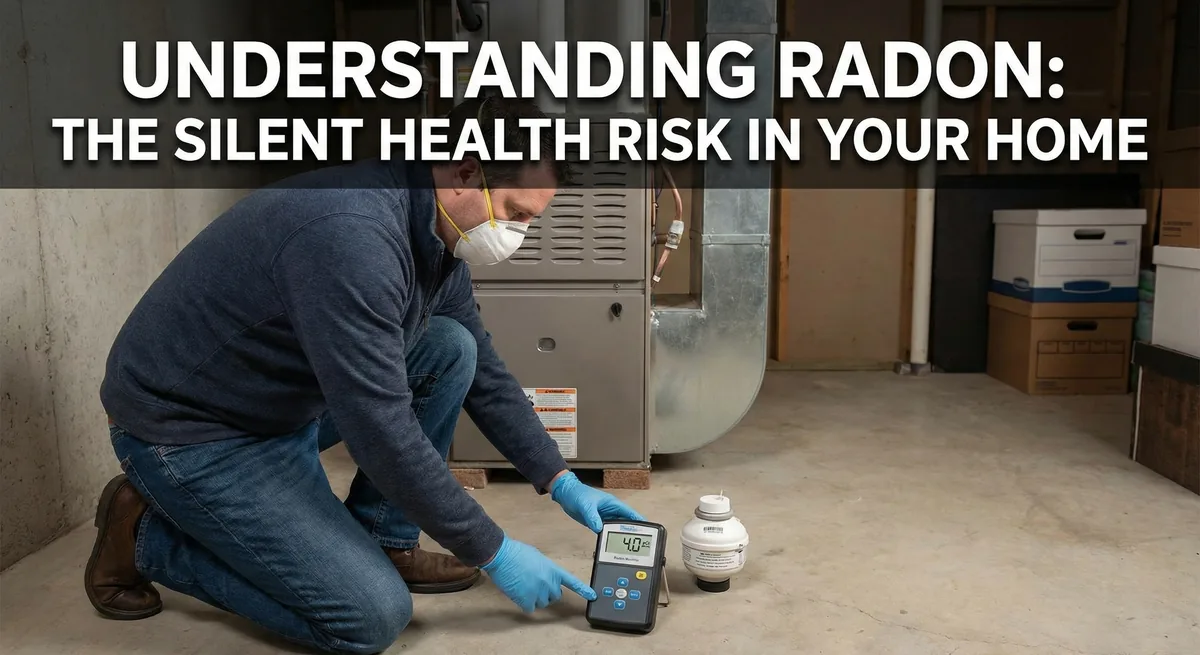
Radon cannot be evaluated by a room’s smell or appearance. A measurement establishes information about the tested space and period. The result, method, placement, and recorded conditions belong together when deciding whether further measurement or reduction work is appropriate.
A concentration needs context
Radon is a naturally occurring radioactive gas. EPA identifies it as a lung-cancer risk and provides consumer guidance on testing and reduction. A building measurement describes environmental conditions; it does not diagnose an individual’s health or attribute a person’s symptoms to the property.
Understand the action level
EPA recommends taking action to reduce radon at 4 pCi/L or above and considering reduction between 2 and 4 pCi/L. The action level is not a guarantee of no risk below that number. Review EPA’s current guide and discuss the appropriate follow-up for the measurement you received.
Short and longer measurements serve a purpose
A selected measurement captures conditions over its monitoring period. Ask how the method and duration fit the decision, particularly when a transaction deadline is involved. Placement and building-operation instructions matter, and interruptions should be recorded and discussed with the provider.
Keep a record of changes
Retain earlier reports and describe later alterations, changes in room use, or work on a radon system. Those details help frame a new testing request. If reduction work is performed, discuss the follow-up measurement and future testing advice with the qualified provider for that work.
Discuss the property with A1
A1 provides independent testing and consultation, not mitigation installation. Share the layout, prior reports, intended room use, and decision deadline so the measurement scope and schedule can be confirmed. For a transaction, see our homebuyer’s testing guide.