OSHA and ASHRAE set standards for commercial air quality. Learn about testing requirements, what commercial IAQ testing measures, and how it differs from residential testing.
March 4, 2026
Read More
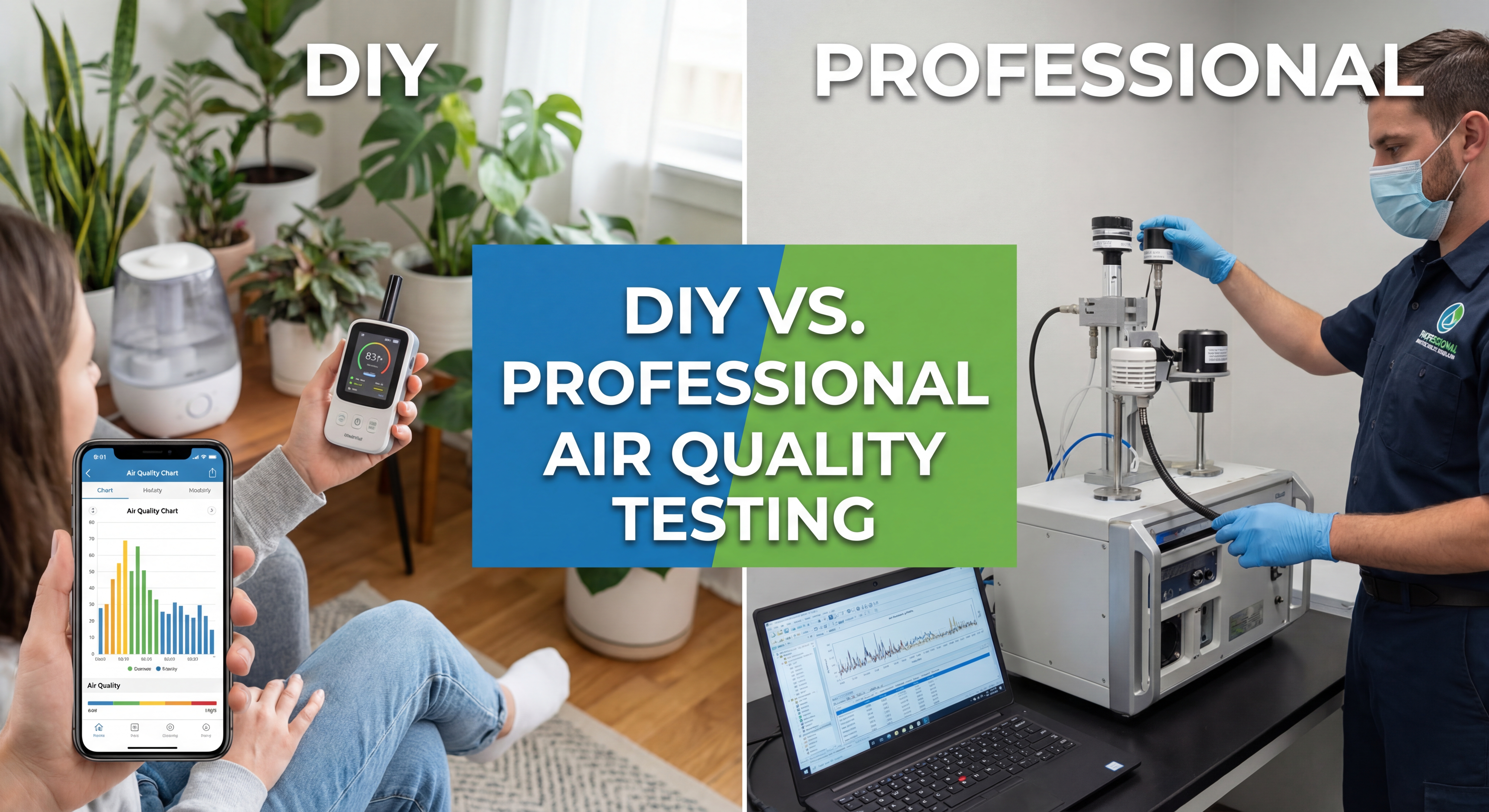
Home air quality test kits are affordable but have significant limitations. Learn the key differences between DIY and professional testing for mold, radon, and indoor air quality — and when each makes sense.
March 4, 2026
Read More
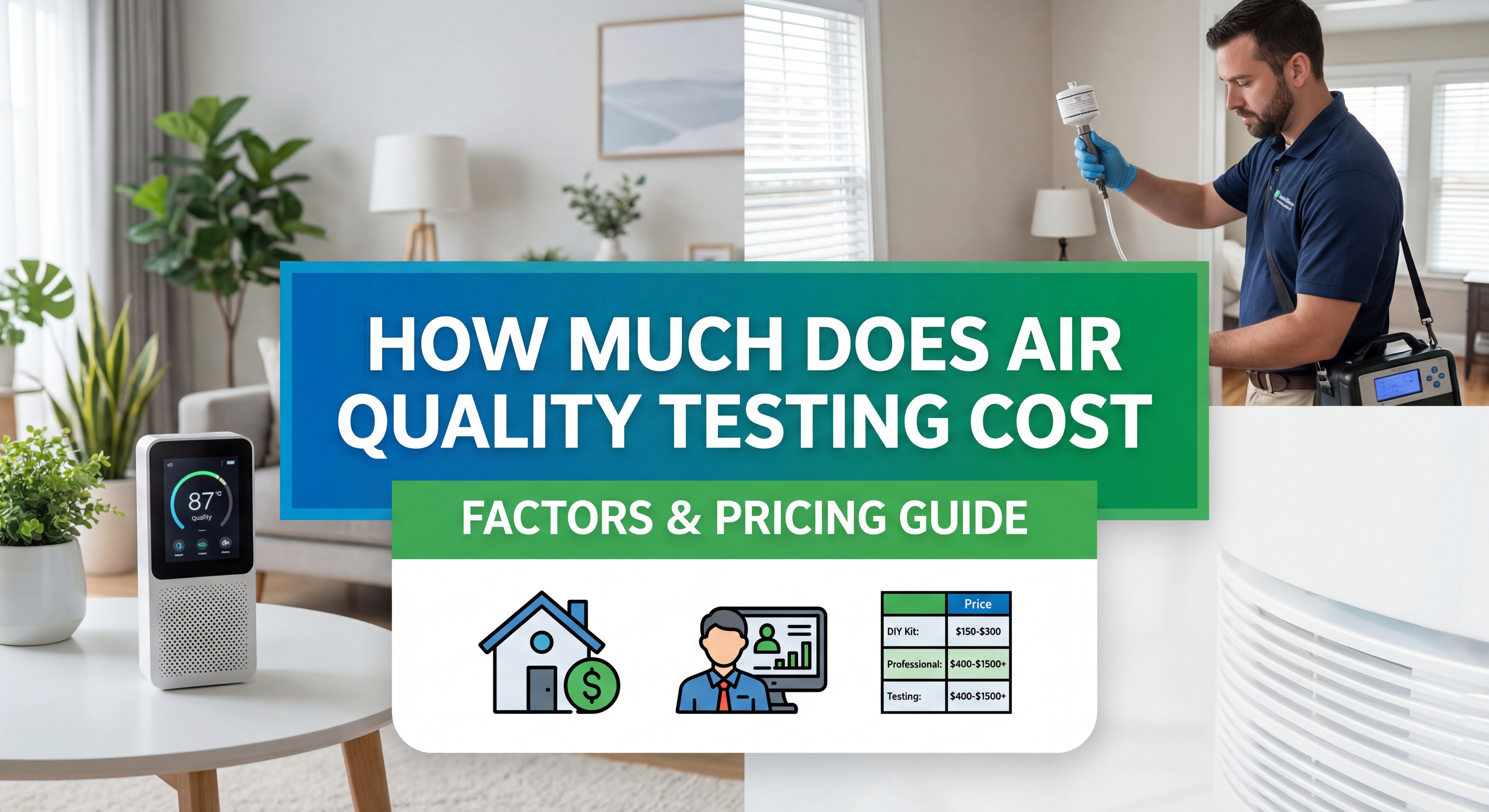
Air quality testing costs vary by service type and property size. Learn typical price ranges for mold ($250–$600), radon ($150–$300), asbestos ($250–$800), lead ($200–$500), and comprehensive IAQ testing ($300–$600).
March 4, 2026
Read More
When the same company that tests your air quality also profits from selling remediation services, there is an inherent conflict of interest. Independent, testing-only companies have no financial incentive to exaggerate findings or recommend unnecessary work. Choosing an unbiased testing provider ensures your results are honest and your recommendations are based solely on the data.
March 4, 2026
Read More
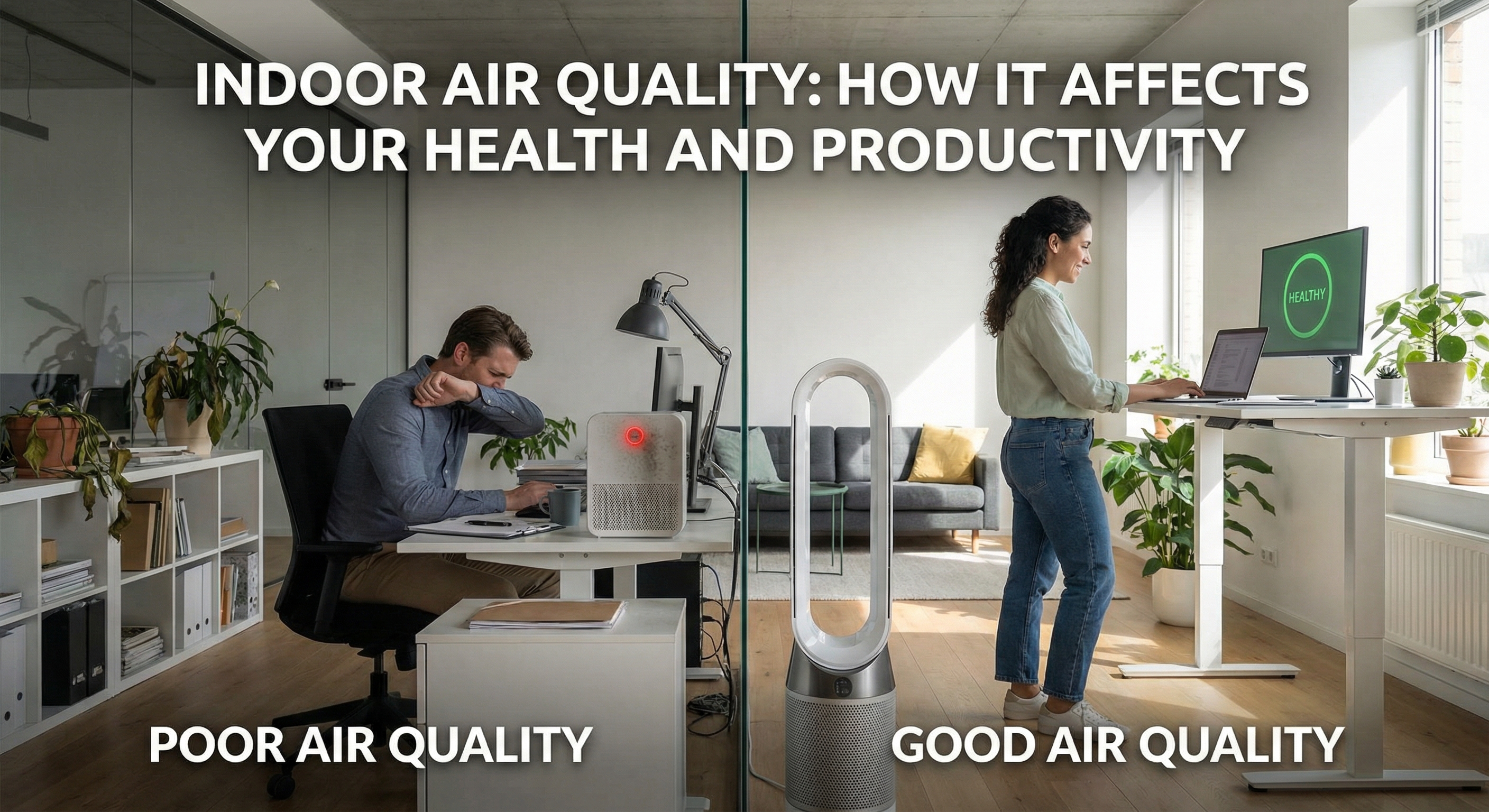
Volatile organic compounds (VOCs), airborne contaminants, mold spores, and poor ventilation can silently degrade the air inside your home or commercial building. Symptoms like persistent headaches, fatigue, and respiratory irritation are often linked to air quality problems. Professional IAQ testing identifies the specific contaminants affecting your space so you can take targeted corrective action.
March 3, 2026
Read More
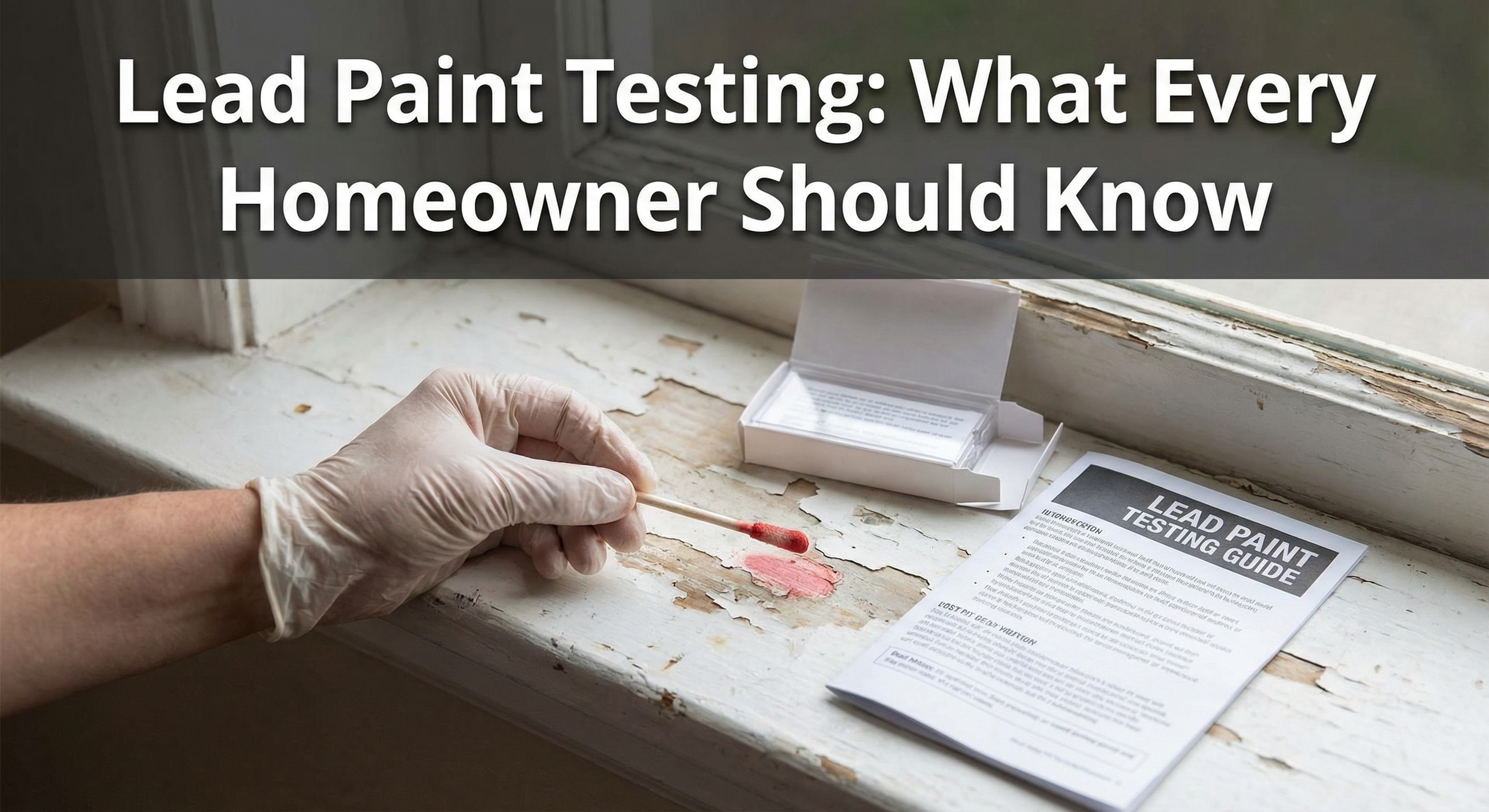
Homes built before 1978 may contain lead-based paint, which poses serious health risks — especially for young children and pregnant women. Lead exposure can cause developmental delays, nervous system damage, and cognitive impairment. Professional testing using XRF analyzers or lab-analyzed samples is the safest way to determine if lead is present in your home.
February 19, 2026
Read More
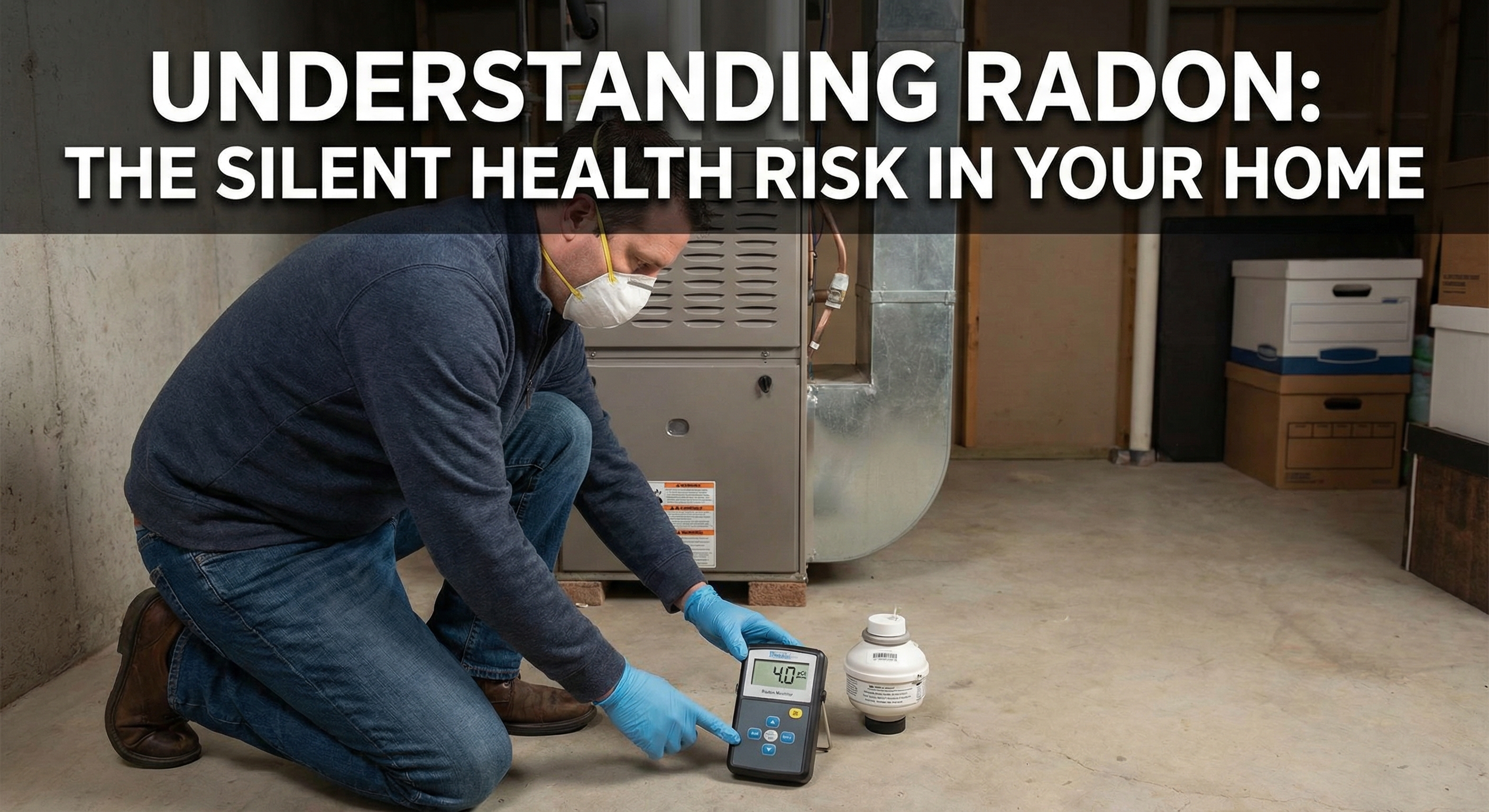
Radon is a colorless, odorless radioactive gas that seeps into homes through cracks in foundations and is the second leading cause of lung cancer in the United States. The EPA recommends taking action at levels of 4 pCi/L or higher, yet many homeowners have never tested. Professional radon testing is the only way to know if your home is at risk.
February 5, 2026
Read More
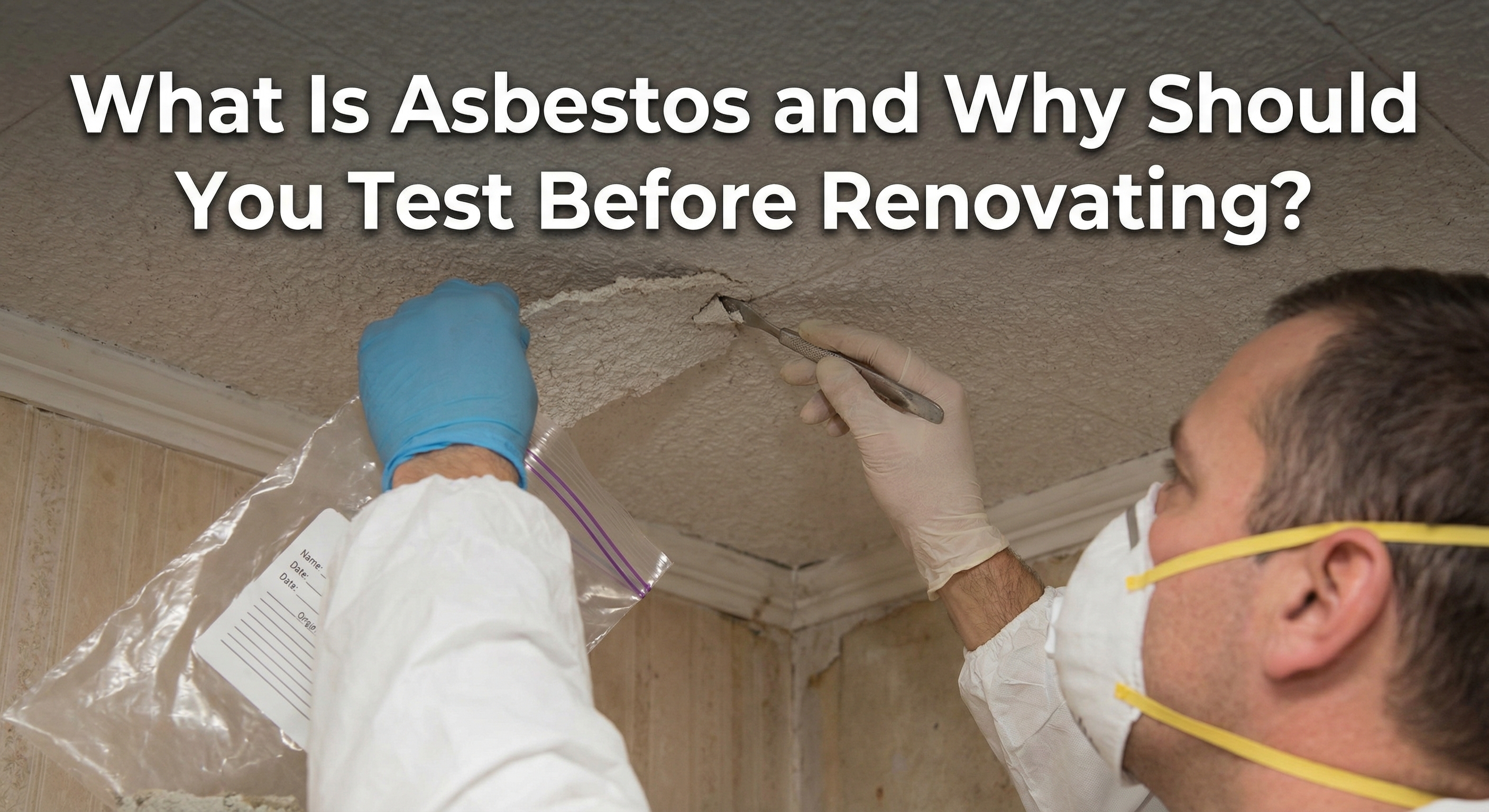
Asbestos was widely used in insulation, floor tiles, roofing, and pipe wrap in buildings constructed before the 1980s. Disturbing these materials during renovation or demolition can release microscopic fibers that cause serious lung disease and mesothelioma. Testing before any renovation project is both a safety measure and a legal requirement.
January 22, 2026
Read More
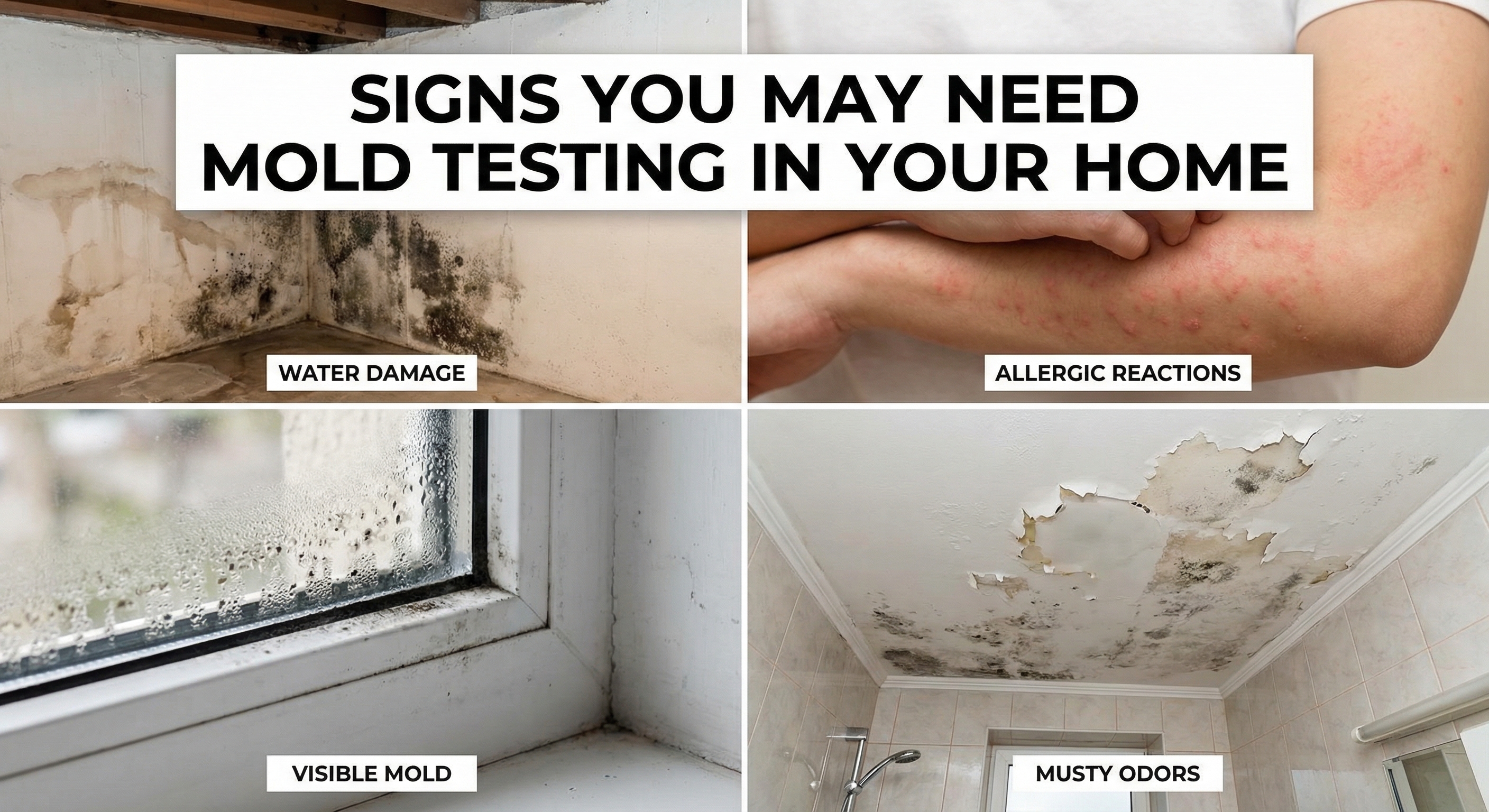
Musty odors, visible discoloration on walls or ceilings, recurring allergy symptoms, and past water damage are all warning signs that mold may be growing hidden in your home. Even small leaks can create the conditions mold needs to thrive behind drywall and under flooring.
January 8, 2026
Read More
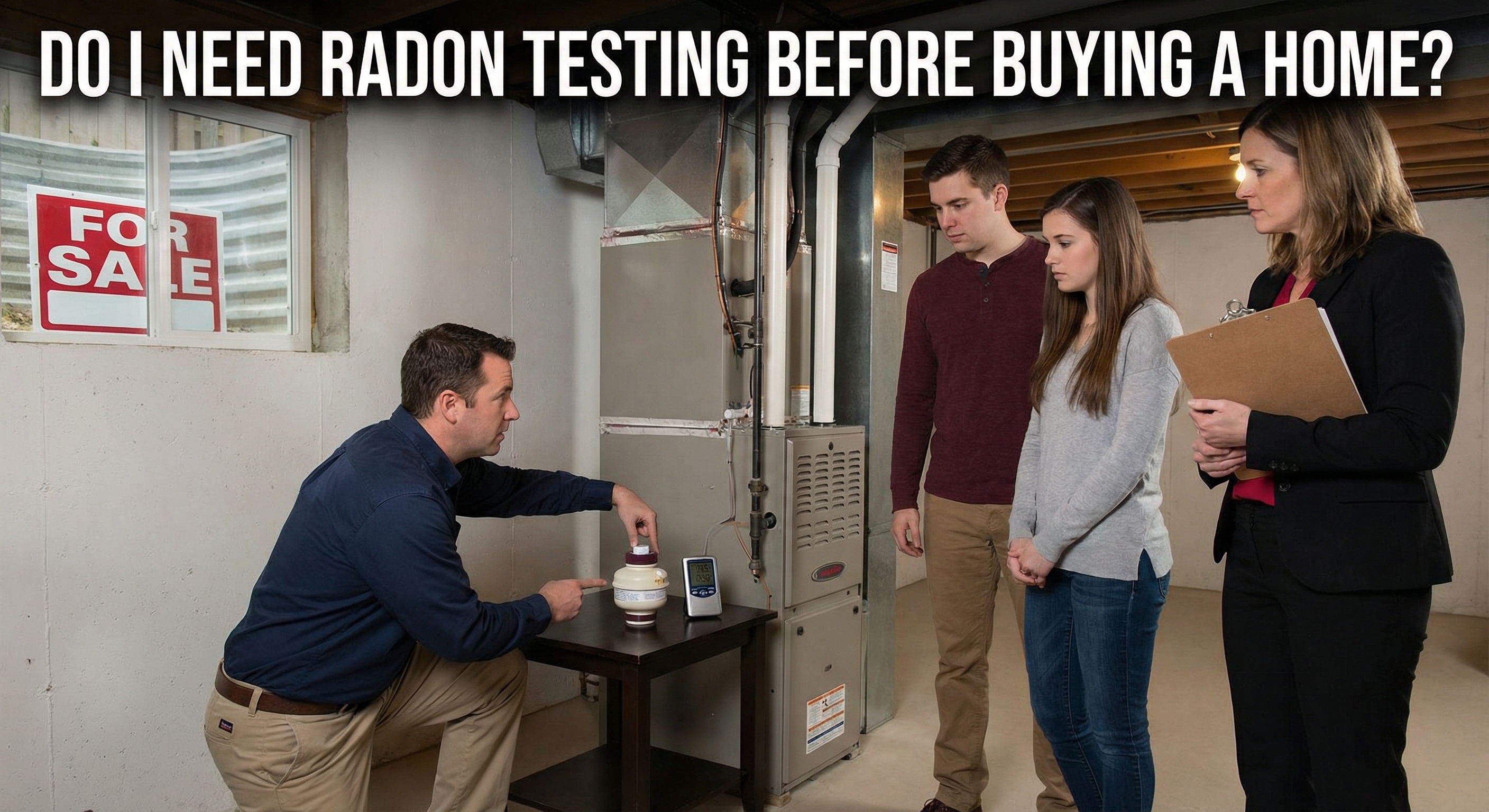
Radon testing is strongly recommended before purchasing any home. The EPA recommends testing all homes below the third floor, and elevated radon levels can affect your health and your home's value. Learn why radon testing should be part of every real estate transaction.
December 10, 2025
Read More
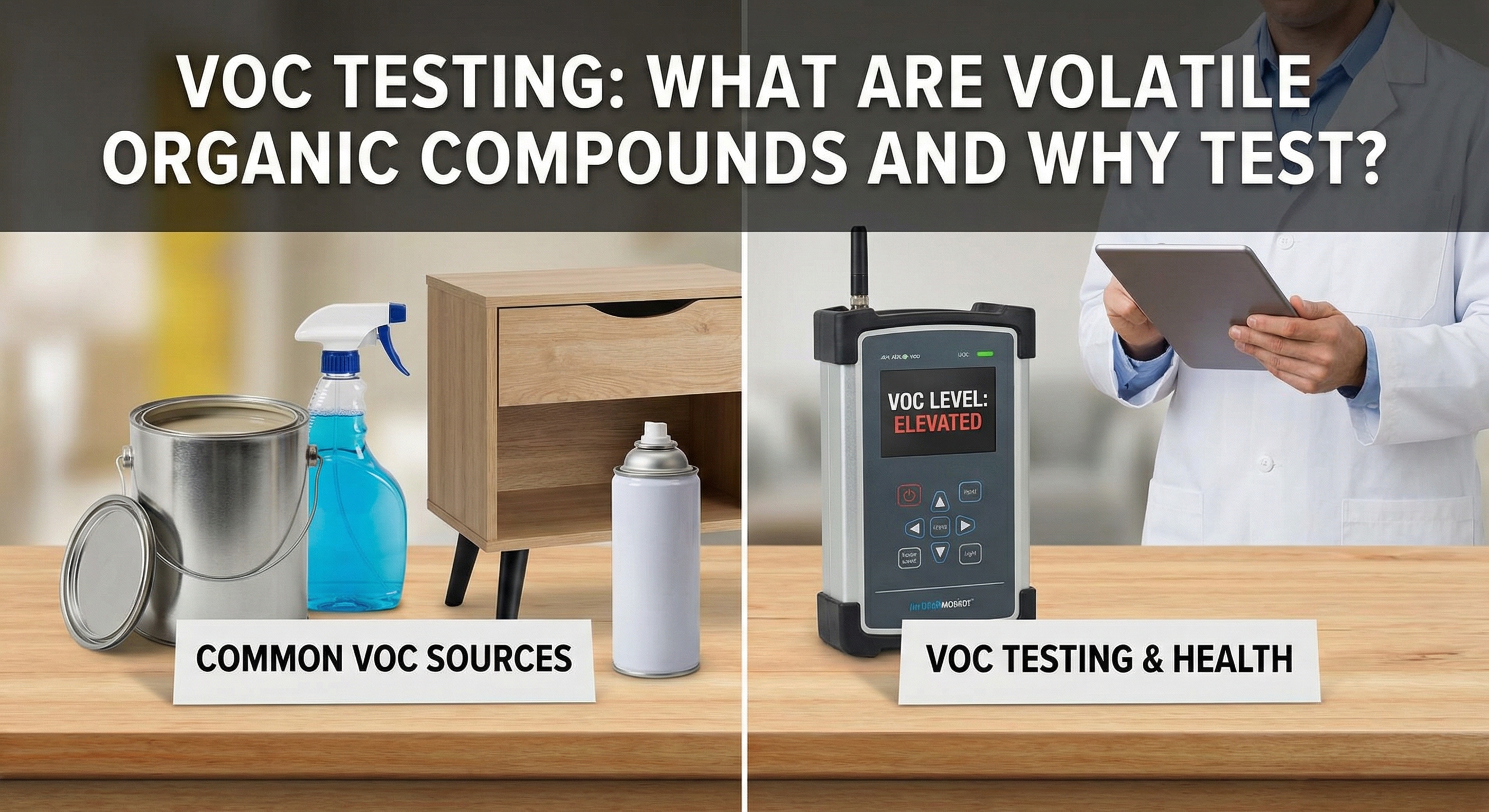
Volatile organic compounds (VOCs) are chemicals released by paints, cleaning products, building materials, and furnishings that evaporate at room temperature. Prolonged VOC exposure can cause headaches, respiratory irritation, and long-term health effects. Professional VOC testing identifies the specific compounds in your indoor air.
November 19, 2025
Read More
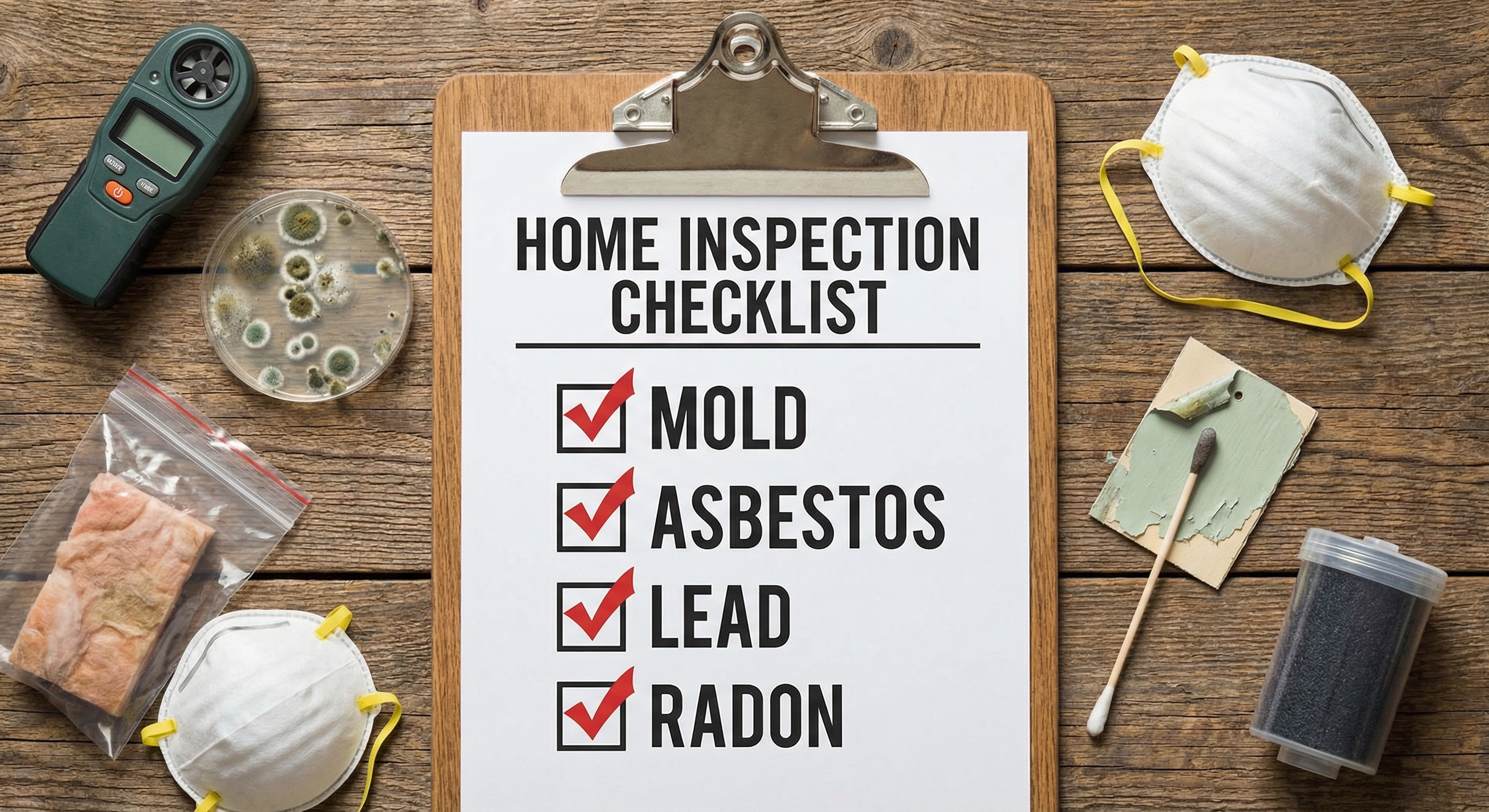
A comprehensive home inspection should include testing for mold, asbestos, lead, and radon — the four most common indoor air quality hazards. Use this step-by-step checklist to protect your family and make informed decisions about your home.
November 5, 2025
Read More
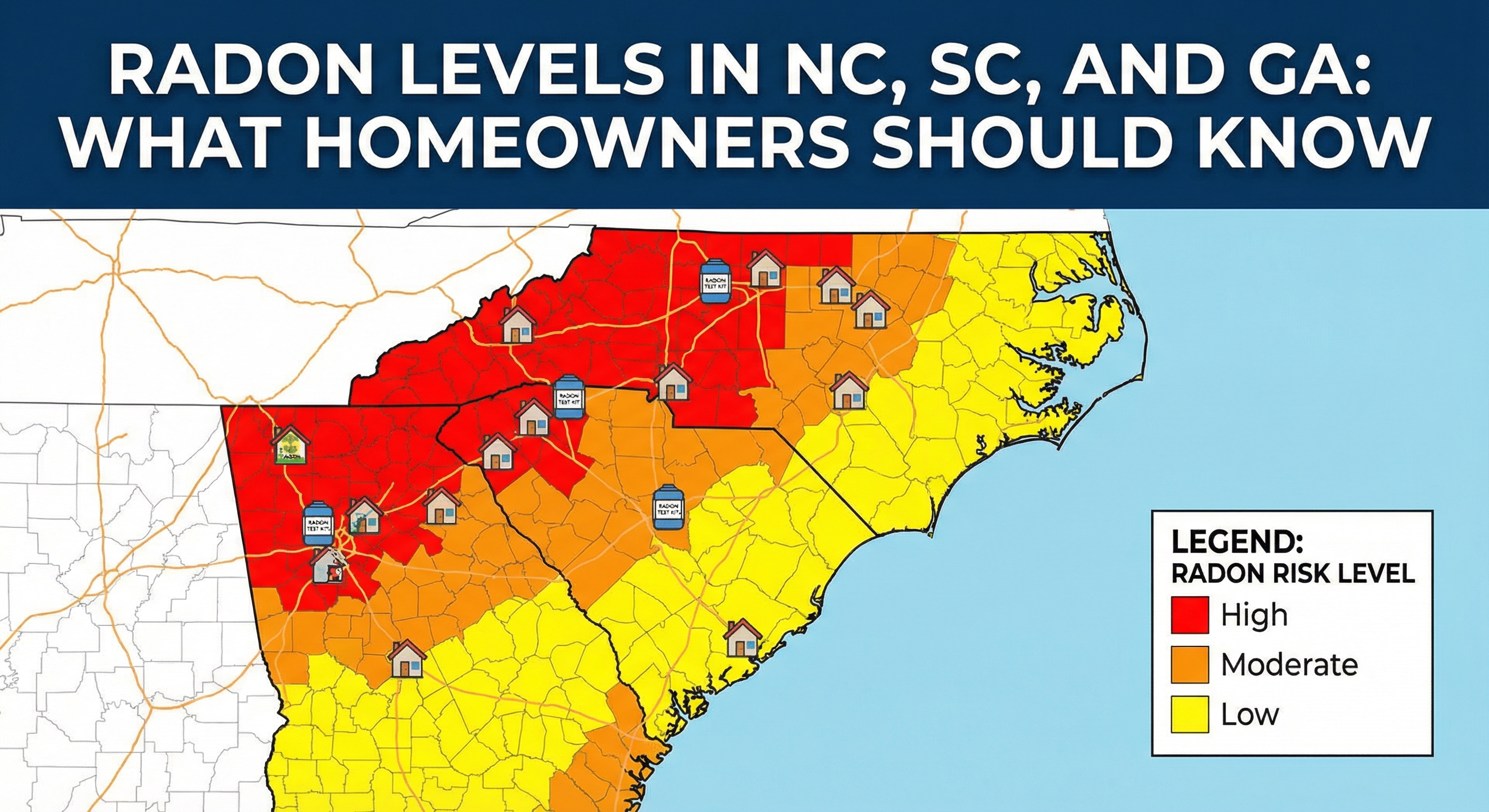
Radon risk varies significantly across North Carolina, South Carolina, and Georgia. Some counties fall in EPA Zone 1 (highest risk), while others are lower. Understanding your local radon risk and testing your home is the only way to know if your family is safe.
October 15, 2025
Read More
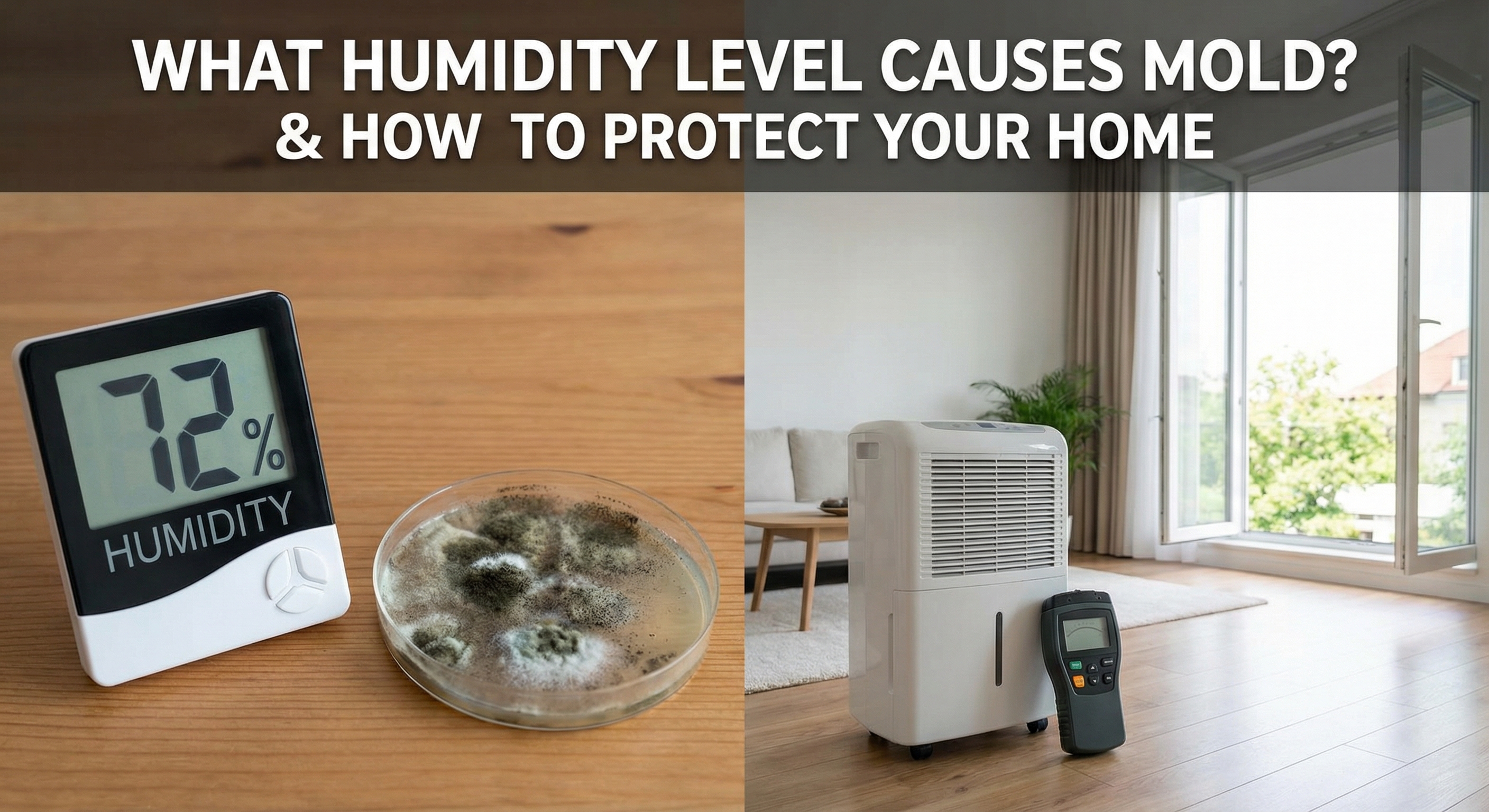
Indoor humidity levels above 60% create ideal conditions for mold growth. The EPA recommends maintaining indoor humidity between 30% and 50% to prevent mold. Learn how to monitor humidity, identify problem areas, and protect your home from mold damage.
September 24, 2025
Read More
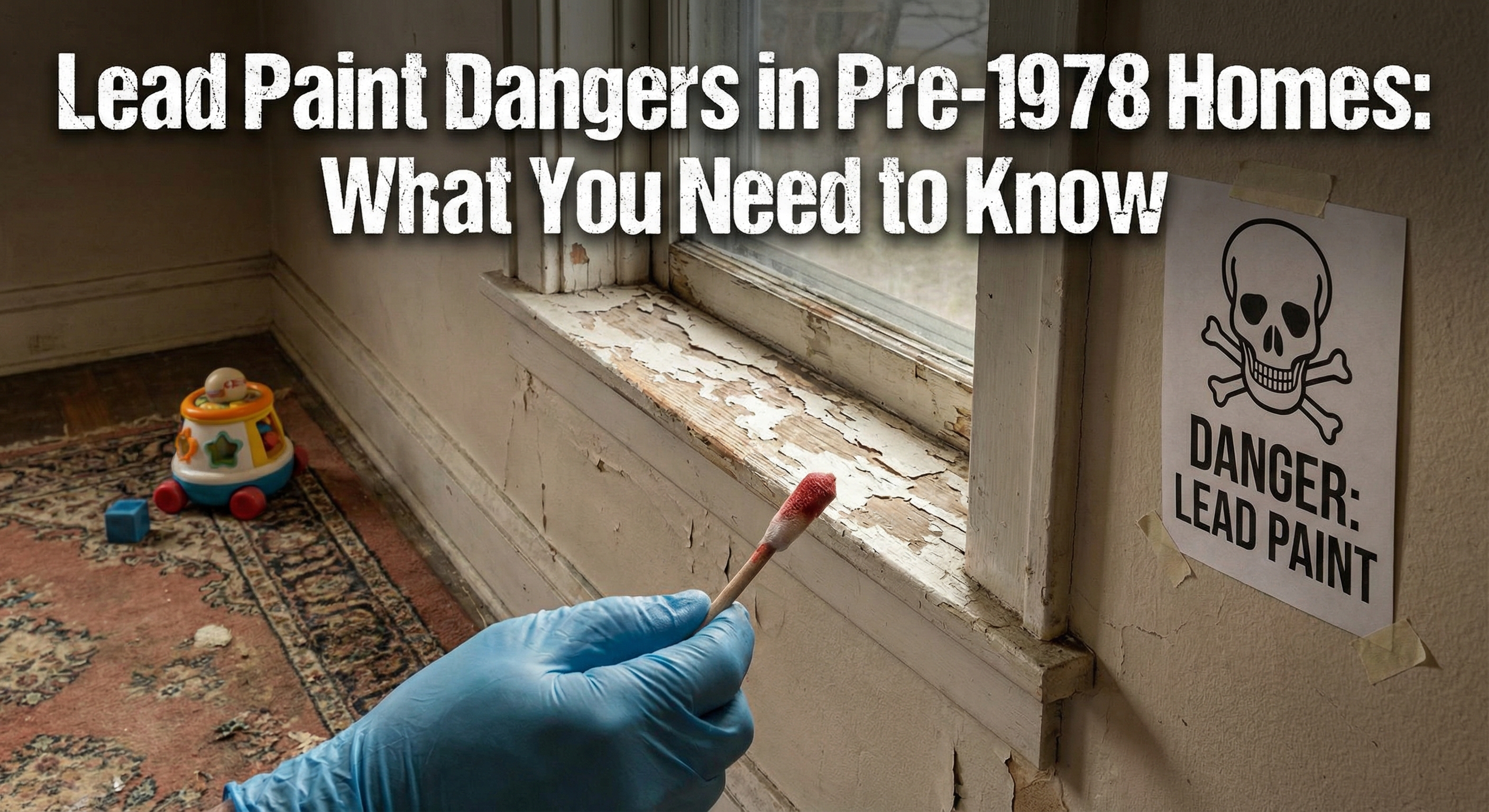
Lead-based paint was banned in 1978, but millions of older homes still contain it. Lead exposure is especially dangerous for children, causing developmental delays, learning disabilities, and nervous system damage. Understanding where lead paint hides and how to test for it protects your family.
September 10, 2025
Read More
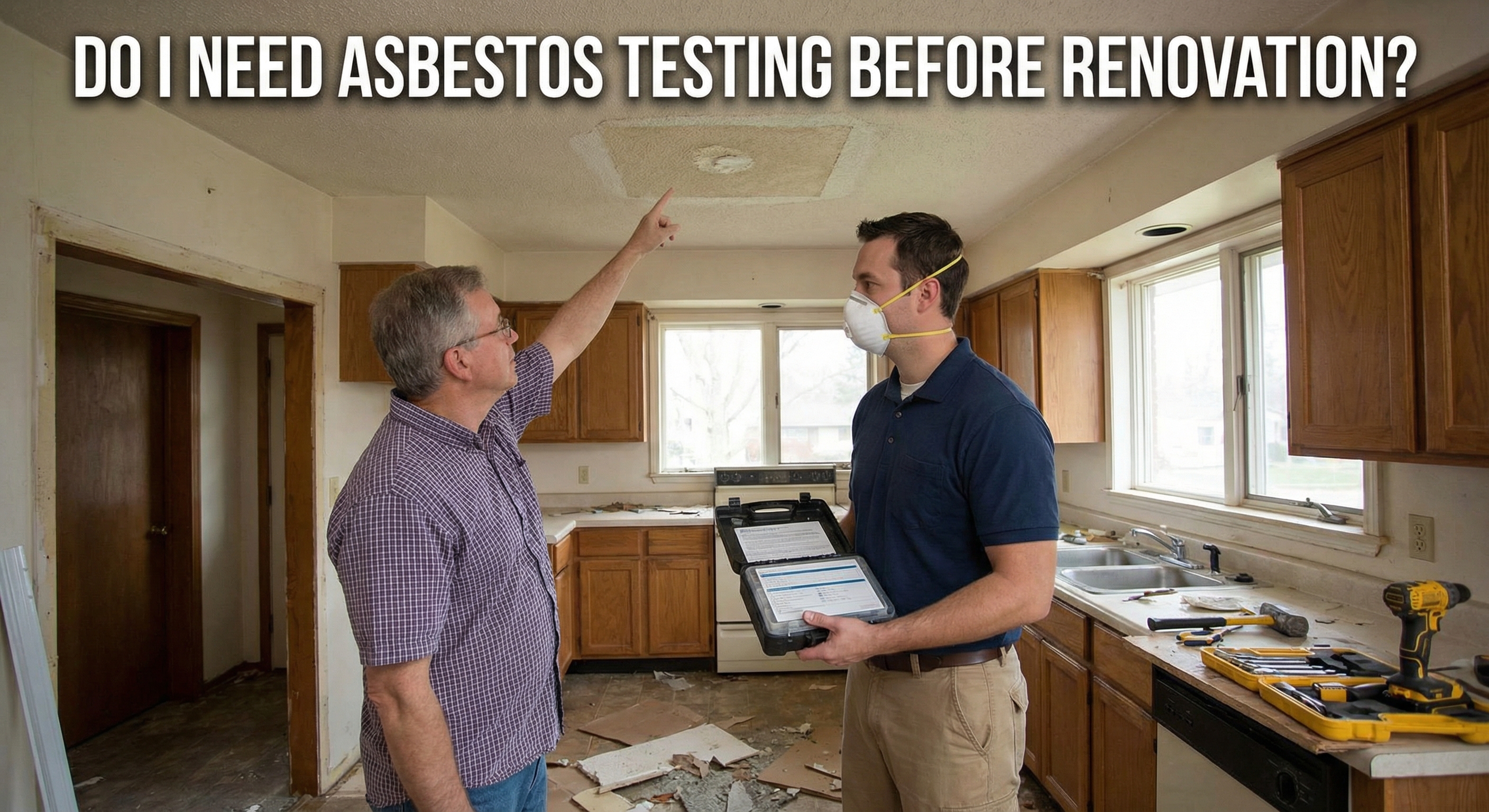
Asbestos testing is legally required before renovation and demolition projects in many states, and strongly recommended for all buildings constructed before 1980. Disturbing asbestos-containing materials without testing can expose workers and occupants to dangerous fibers and result in significant fines.
August 20, 2025
Read More
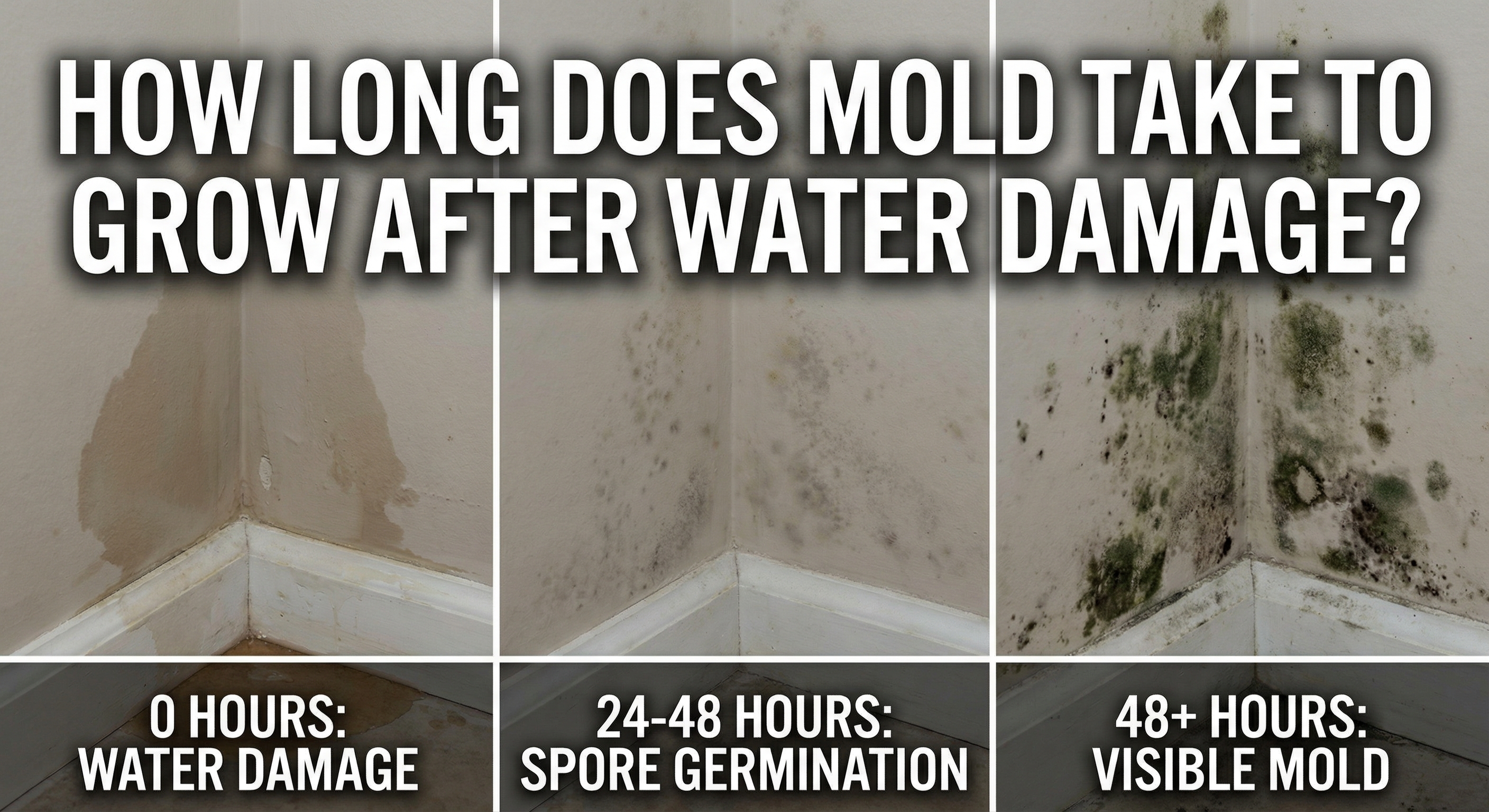
Mold can begin growing within 24 to 48 hours after water damage occurs. Warm temperatures, high humidity, and organic materials like drywall and wood accelerate the process. Acting quickly after water damage — and scheduling professional mold testing — is critical to preventing widespread contamination.
July 30, 2025
Read More
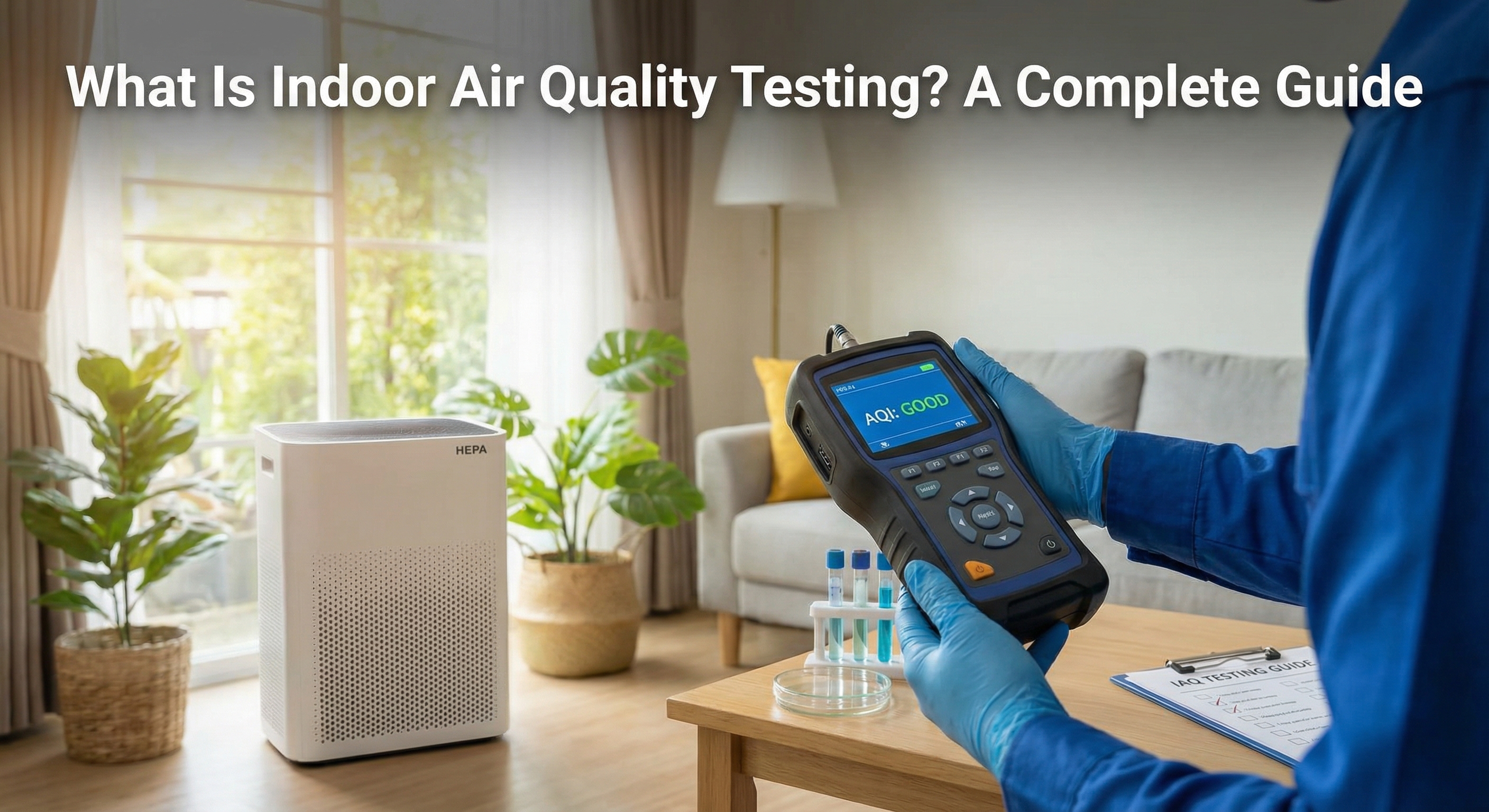
Air quality testing is the process of measuring pollutants and contaminants in your indoor environment. Professional testing identifies mold spores, VOCs, radon, and other hazards that can affect your health. This complete guide explains what IAQ testing involves and when you need it.
July 9, 2025
Read More