
September 10, 2025 · By A1 Air Quality Consultants
Last updated: March 4, 2026
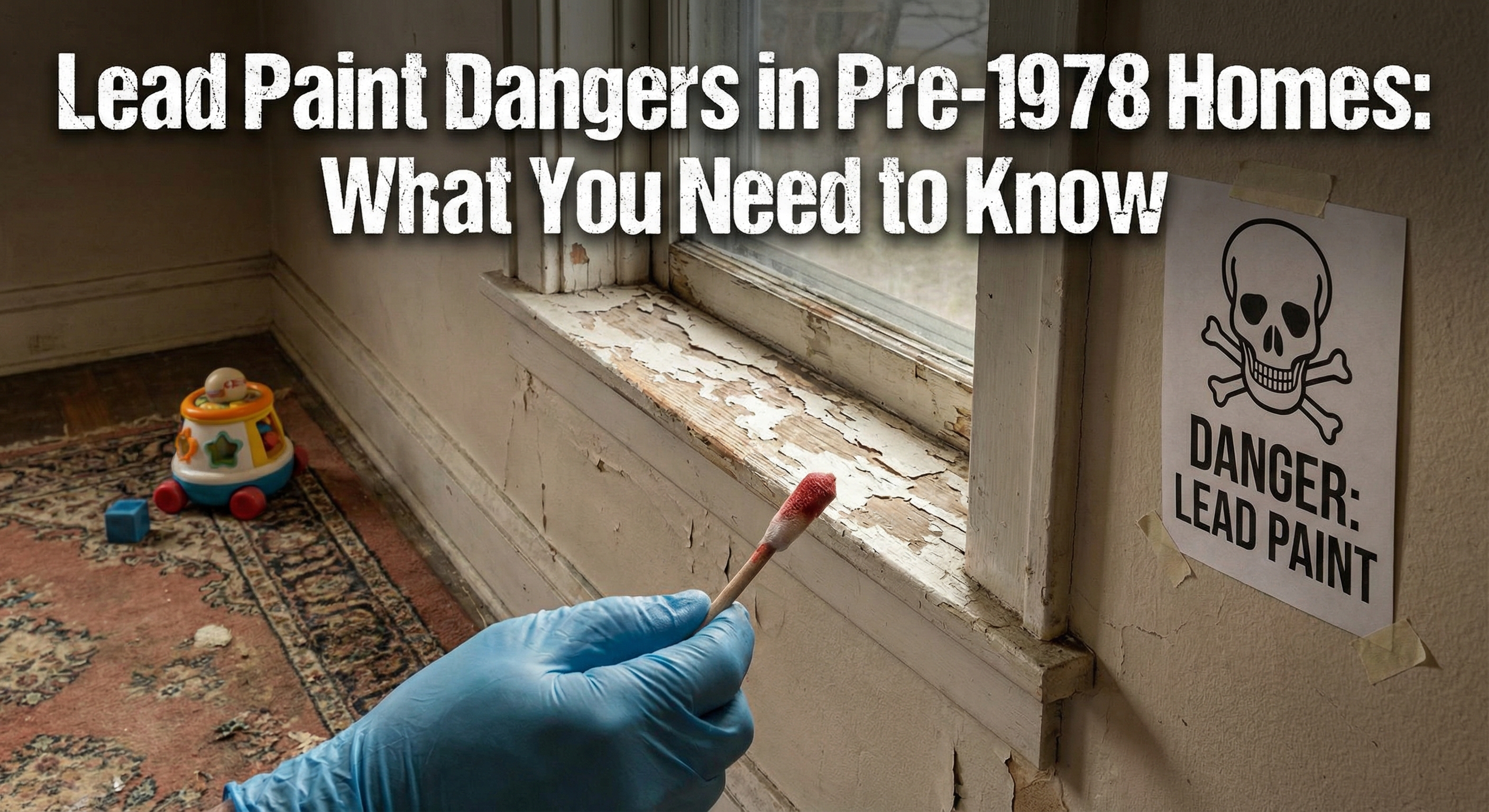
The United States banned lead-based paint for residential use in 1978, but approximately 87% of homes built before that year still contain some lead paint, according to the EPA. Lead is a potent neurotoxin that poses serious health risks, especially to children under six years old and pregnant women. If you live in, are buying, or are renovating a pre-1978 home, understanding where lead paint hides, how exposure occurs, and what testing options are available is essential to protecting your family's health.
Key Takeaway
Homes built before 1978 may contain lead-based paint, which poses serious health risks — especially to children under six. Lead paint becomes dangerous when it deteriorates, is disturbed during renovation, or creates lead dust on surfaces where children play.
Why Was Lead Added to Paint in the First Place?
Lead was a popular additive in household paint for centuries. Manufacturers valued it because lead compounds improved durability, accelerated drying, maintained a fresh appearance, and resisted moisture. Lead-based paint was considered a premium product, and homes built with higher-quality materials were more likely to contain it.
By the mid-20th century, scientific research began linking lead exposure to serious health problems, particularly in children. Despite growing evidence, it took decades for regulations to catch up. The Consumer Product Safety Commission finally banned lead-based paint for residential use in 1978. However, the ban did not require removal of existing lead paint, meaning millions of homes across the country still contain it today.
The CDC estimates that approximately 29 million housing units in the United States have significant lead-based paint hazards, including deteriorating paint and elevated levels of lead-contaminated house dust. Homes built before 1950 are at the highest risk, as paint from that era often contained lead concentrations of up to 50% by weight.
What Are the Health Effects of Lead Exposure?
Lead exposure is harmful at virtually any level, and the effects are particularly devastating for young children. According to the CDC, there is no identified safe blood lead level in children. Even low levels of lead in blood have been shown to affect IQ, the ability to pay attention, and academic achievement.
In children, lead exposure can cause:
- Developmental delays and learning disabilities
- Reduced IQ and cognitive function
- Behavioral problems including hyperactivity and irritability
- Hearing loss
- Slowed growth
- Damage to the brain and nervous system
- In severe cases, seizures, coma, and death
Adults are not immune to lead's effects. Prolonged exposure in adults can cause high blood pressure, kidney damage, nervous system disorders, memory and concentration problems, and reproductive issues. Pregnant women exposed to lead can transfer it to their unborn child, potentially causing premature birth and developmental problems.
The EPA estimates that roughly half a million children between ages one and five in the United States have blood lead levels above the CDC reference value of 3.5 micrograms per deciliter. Many of these cases are directly linked to deteriorating lead paint in older housing.
Where Is Lead Paint Typically Found in Pre-1978 Homes?
Lead paint can be present on virtually any painted surface in a pre-1978 home, but certain areas are more likely to contain it and to generate hazardous lead dust. The most common locations include:
- Window frames and sills — These are among the most dangerous surfaces because the friction of opening and closing windows grinds painted surfaces together, generating fine lead dust.
- Doors and door frames — Similar to windows, the repeated contact between doors and frames creates friction that produces lead dust.
- Staircase railings and banisters — Frequently touched surfaces that may have multiple layers of lead paint.
- Baseboards and trim — Decorative moldings and trim were often painted with high-quality lead-based paints.
- Exterior siding and porches — Exterior paint had especially high lead content for weather resistance, and deteriorating exterior paint contaminates surrounding soil.
- Kitchens and bathrooms — Areas where moisture-resistant paint was preferred, which often contained lead.
It is important to understand that lead paint may be hidden beneath multiple layers of newer, non-lead paint. Surfaces that appear safe can become hazardous when paint deteriorates, is disturbed during renovations, or when friction surfaces create dust. This is one reason why professional lead testing is so important before any renovation or remodeling work begins.
Worried about lead paint in your pre-1978 home? Call (864) 619-2092 or schedule a free consultation today.
How Does Lead Paint Exposure Actually Occur?
Many people assume that lead paint is only dangerous if a child eats paint chips. While ingestion of paint chips is a real concern, it is actually lead-contaminated dust that poses the greatest risk. The EPA identifies lead dust as the most common pathway for childhood lead exposure.
Lead exposure occurs through three primary routes:
- Lead dust inhalation and ingestion: When lead paint deteriorates, is sanded, scraped, or disturbed during renovation, it creates fine dust particles that settle on floors, windowsills, and other surfaces. Young children are especially vulnerable because they frequently put their hands in their mouths after touching contaminated surfaces.
- Paint chip ingestion: Peeling or chipping lead paint can produce flakes that young children may pick up and eat. The sweet taste of lead paint makes it attractive to small children.
- Contaminated soil: Exterior lead paint that has peeled, chalked, or been scraped off during previous maintenance contaminates the soil around a home's foundation. Children playing in contaminated soil can ingest or inhale lead particles. The EPA notes that soil near older homes can contain lead levels many times higher than natural background levels.
Renovation and remodeling activities in older homes are a particularly significant source of lead exposure. The EPA's Renovation, Repair, and Painting (RRP) Rule requires that contractors working in pre-1978 homes be EPA-certified and follow specific lead-safe work practices to minimize dust generation.
What Testing Methods Are Available for Lead Paint?
Professional lead paint testing uses two primary methods, each with distinct advantages. If you suspect lead paint in your home, certified lead testing professionals can help you determine the safest approach.
XRF (X-Ray Fluorescence) Analysis: This is the most common professional testing method. A portable XRF analyzer emits X-rays that interact with the lead in paint, providing instant, non-destructive results. The inspector can test hundreds of surfaces in a single visit without damaging any painted surface. XRF testing is considered the gold standard for comprehensive lead inspections and is accepted by the EPA and HUD.
Laboratory Analysis of Paint Chips: This method involves collecting small paint chip samples from suspect surfaces and sending them to a certified laboratory for analysis. Lab testing provides highly accurate results and can determine the exact concentration of lead in the paint. Results typically take several business days. This method is often used to confirm XRF findings or when testing specific surfaces of concern.
DIY lead test kits are available at hardware stores, but their reliability varies significantly. The EPA has recognized only a few consumer test kits, and even recognized kits can produce false negatives. For the most accurate and comprehensive results, professional testing is strongly recommended, especially before purchasing a home or beginning renovations.
Comprehensive indoor air quality testing can also evaluate whether lead dust has become airborne in your home, providing an additional layer of safety assessment beyond surface paint testing alone.
What Are the Federal Disclosure Requirements for Lead Paint?
Federal law provides important protections for homebuyers and renters regarding lead paint. Under Title X of the Housing and Community Development Act (also known as the Residential Lead-Based Paint Hazard Reduction Act of 1992), sellers and landlords of pre-1978 housing must:
- Disclose any known information about lead-based paint or lead-based paint hazards in the property
- Provide buyers and renters with the EPA pamphlet "Protect Your Family from Lead in Your Home"
- Include specific lead warning language in sales contracts and leases
- Allow homebuyers a 10-day period to conduct a professional lead inspection before becoming obligated to purchase (this period can be adjusted by mutual agreement)
It is worth noting that sellers are required to disclose what they know, but they are not required to conduct lead testing. This means that a seller can truthfully state they have no knowledge of lead paint even if the home was built in the 1920s and almost certainly contains it. This makes independent testing before purchase especially important.
What Should You Do If Lead Paint Is Found in Your Home?
If testing confirms the presence of lead paint, do not panic. Lead paint that is in good condition and on surfaces not subject to friction or impact may not require immediate action. However, you should take these steps:
- Do not attempt to remove lead paint yourself. Improper removal methods like sanding, scraping, or burning can create extremely hazardous lead dust and fume levels.
- Hire certified professionals. If lead paint removal or abatement is necessary, use contractors certified under the EPA's RRP Rule or state-certified lead abatement professionals.
- Consider encapsulation. In many cases, intact lead paint can be safely managed through encapsulation, which involves applying a specialized coating that seals the lead paint in place.
- Maintain painted surfaces. Keep lead-painted surfaces in good repair to prevent deterioration and dust generation.
- Clean regularly. Use wet cleaning methods to reduce lead dust. Damp-mop floors and wet-wipe windowsills and other horizontal surfaces weekly.
- Test children's blood lead levels. If your home has confirmed lead paint, consult your pediatrician about blood lead testing for children in the household.
For homebuyers, a thorough pre-purchase inspection should include not only lead testing but a comprehensive home inspection checklist covering mold, asbestos, lead, and radon. Addressing all potential hazards before closing gives you the clearest picture of the home's condition and your family's safety. You can also learn more about the testing process in our guide to lead paint testing for homeowners.
If you are planning renovations on a pre-1978 home, testing before any work begins is critical. Disturbing lead paint without proper precautions is one of the most common causes of lead exposure. Pre-1978 homes are also likely to contain asbestos in building materials, so you should understand what asbestos is and why testing before renovating is essential. Our article on asbestos testing before renovation covers similar principles that apply to lead-safe renovation practices.
Need professional testing? Contact A1 Air Quality Consultants or call (864) 619-2092 for a free consultation.