March 4, 2026 · By A1 Air Quality Consultants
Last updated: March 4, 2026
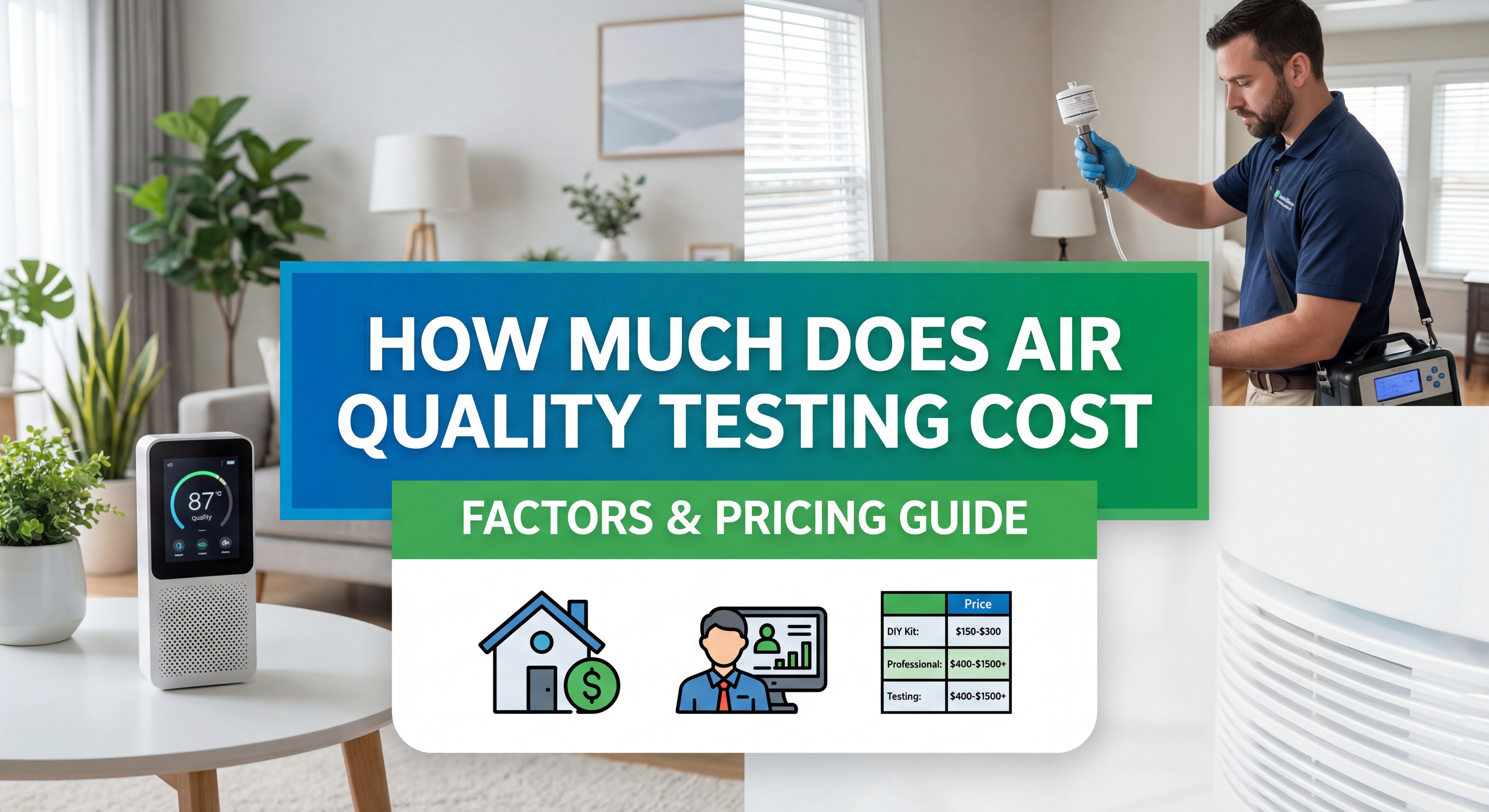
Air quality testing costs typically range from $150 to $800 or more, depending on the type of service, the size of the property, and the number of samples collected. A single radon test may cost as little as $150, while a comprehensive indoor air quality assessment with multiple sample types can exceed $600. Understanding what drives these costs helps you budget for the testing you need and avoid surprises when you receive a quote.
Key Takeaway
Air quality testing costs vary from $150 to $800 or more based on the type of test, property size, number of samples, and lab analysis required. Getting an accurate quote starts with a phone consultation to discuss your specific situation and concerns.
One of the most common questions homeowners and property managers ask before scheduling an inspection is how much it will cost. The answer depends on several factors, and a reputable testing company will provide a clear estimate before any work begins. This guide breaks down typical price ranges for each type of air quality test so you know what to expect.
What Factors Affect Air Quality Testing Costs?
Several variables influence the total cost of an air quality inspection. Understanding these factors helps explain why quotes can differ from one property to the next:
- Property size: Larger homes and commercial buildings require more time on site and may need additional sample locations to get representative data. A 1,200-square-foot apartment will typically cost less to test than a 4,000-square-foot home or a multi-story office building.
- Number of samples: Each air or surface sample collected adds to the total cost because every sample must be analyzed individually by an accredited laboratory. A basic mold inspection might include three to five air samples, while a thorough assessment could require eight or more.
- Type of laboratory analysis: Different pollutants require different analytical methods. Mold spore trap analysis costs less than mold culture analysis. VOC testing using gas chromatography is more expensive than a basic particulate reading. The complexity of the lab work directly affects the price.
- Urgency and turnaround time: Standard lab results are typically available within 48 to 72 hours. Rush processing, often within 24 hours, is available from most labs but comes with an additional fee.
- Number of pollutants tested: Testing for a single contaminant like radon costs less than a comprehensive indoor air quality assessment that measures VOCs, mold, particulates, CO2, and humidity simultaneously.
How Much Does Mold Testing Cost?
Professional mold testing typically costs between $250 and $600 for a residential property. The price depends primarily on the number of air and surface samples collected. A standard mold assessment includes indoor air samples from the areas of concern, at least one outdoor baseline sample, and may include surface samples from visible suspect growth.
Air samples are analyzed by an accredited laboratory to identify mold species and spore concentrations. This species-level identification is critical because some molds, such as Stachybotrys (black mold) and Chaetomium, are water-damage indicators associated with more serious health effects. If you are noticing signs you may need mold testing, professional assessment provides the definitive answers that DIY kits cannot.
How Much Does Radon Testing Cost?
Professional radon testing generally costs between $150 and $300. Radon is a naturally occurring radioactive gas that enters buildings through cracks in the foundation and is the second leading cause of lung cancer in the United States. The EPA recommends testing every home for radon regardless of location.
Short-term professional radon tests use continuous radon monitors (CRMs) that record hourly measurements over a 48-hour minimum period. These devices are calibrated and tamper-resistant, providing highly accurate results that are accepted for real estate transactions. Long-term tests, which measure radon over 90 days or more, provide an even more accurate picture of annual average exposure. For more information about radon risks in our service area, see our guide on radon levels in North Carolina, South Carolina, and Georgia.
How Much Does Asbestos Testing Cost?
Professional asbestos testing typically ranges from $250 to $800, depending on the number of material samples collected. Asbestos testing involves collecting small bulk samples of suspect materials such as floor tiles, insulation, ceiling tiles, pipe wrap, joint compound, and roofing materials. Each sample is analyzed using polarized light microscopy (PLM) at an accredited laboratory.
The cost per sample decreases when multiple samples are collected during the same visit. Homes built before 1980 are most likely to contain asbestos-containing materials, and testing is strongly recommended before any renovation or demolition work. A pre-renovation asbestos survey for a typical home usually involves five to fifteen samples depending on the scope of the planned work. Review our home inspection checklist to understand which tests are recommended before purchasing or renovating a home.
How Much Does Lead Testing Cost?
Professional lead testing typically costs between $200 and $500 for a residential property. Lead testing may include paint chip analysis, dust wipe sampling, and in some cases soil sampling. Homes built before 1978 are the primary candidates for lead testing because lead-based paint was widely used until it was banned for residential use that year.
XRF (X-ray fluorescence) analyzers can provide immediate on-site results and are commonly used for lead paint surveys. Dust wipe samples are sent to an accredited laboratory for analysis and provide precise measurements of lead contamination on surfaces. If you own an older home, our guide on lead paint testing for homeowners explains when testing is recommended and what to expect.
How Much Does Air Quality Testing Cost?
A comprehensive indoor air quality (IAQ) test generally costs between $300 and $600 for a typical residential property. Comprehensive IAQ testing measures multiple pollutants including volatile organic compounds (VOCs), mold spores, carbon dioxide, carbon monoxide, particulate matter, temperature, and humidity. Learn more about what these tests involve in our guide on what is indoor air quality testing.
The cost reflects the breadth of testing involved. Unlike a single-contaminant test, a comprehensive IAQ assessment uses multiple instruments and sample types to build a complete picture of your indoor environment. The detailed report that follows includes pollutant-by-pollutant results, comparisons to health guidelines, and specific recommendations for improvement. For commercial buildings, IAQ testing costs more due to larger spaces and more sampling points.
Want to know what testing will cost for your property? Call (864) 619-2092 or request a free consultation for a detailed quote.
Is Air Quality Testing Worth the Cost?
Air quality testing is a relatively small investment compared to the potential costs of ignoring indoor air problems. There are several reasons testing is worth the expense:
- Health protection: The EPA ranks indoor air pollution among the top five environmental health risks. Identifying and addressing pollutants can reduce respiratory symptoms, allergies, headaches, and long-term health risks. This is especially important for households with children, elderly residents, or anyone with asthma or compromised immune systems.
- Real estate value: Air quality testing provides documented evidence of a healthy indoor environment, which protects property values and can facilitate smoother real estate transactions. Buyers increasingly expect testing for radon, mold, asbestos, and lead before closing. See our home inspection checklist for a complete overview.
- Peace of mind: When test results come back clean, you have objective confirmation that your indoor air is safe. If problems are found, you have the data needed to take targeted, cost-effective corrective action rather than guessing.
- Avoiding unnecessary remediation: As we explain in our article on why independent testing matters, accurate test results from an independent company prevent you from spending money on remediation you may not need.
How to Get an Accurate Quote
The best way to get an accurate quote for air quality testing is to contact a professional testing company and discuss your specific situation. A reputable company will ask about your concerns, symptoms, property type and size, and the specific pollutants you want tested before providing an estimate. Here are some tips for getting the most accurate quote:
- Describe your concerns clearly: Let the testing company know what prompted your call, whether it is health symptoms, visible mold, a musty odor, a real estate transaction, or a renovation project.
- Provide property details: Share the approximate square footage, number of levels, building age, and whether it is residential or commercial.
- Ask what is included: A good estimate should specify the number of samples, the type of lab analysis, the turnaround time for results, and what the report will include.
- Choose independent testing: Companies that only perform testing and do not offer remediation or removal have no financial incentive to inflate results. This ensures you get honest, unbiased data.
A1 Air Quality Consultants provides free phone consultations to help you determine exactly which tests you need and what they will cost. We serve homes and businesses across North Carolina, South Carolina, and Georgia with independent, NAVLAB-verified testing and clear, detailed reporting.
Ready for a quote? Contact A1 Air Quality Consultants or call (864) 619-2092 for a free consultation.